
Information for Veterinary Professionals
CaniVax is developing investigational cancer medicines for dogs, including oral drugs and therapeutic cancer vaccines.
We work with veterinary professionals to explore clinical access for appropriate patients and to evaluate new treatments through veterinary clinical studies.
Clinical Practicalities in Mind
CaniVax is developing cancer medicines with practical features suited to veterinary oncology. Our lead drug CaniVive™ is an orally administered, room-temperature-stable tablet formulation, supporting straightforward treatment in clinical practice.
Our cancer vaccines are pathology-specific. Our CaniMune™ platform identifies shared tumour antigens within a defined cancer type and incorporates them into multi-antigen vaccines designed for use across suitable patients. This creates a scalable approach to developing vaccines for melanoma and other canine cancers.
Clinical Pathways
Connecting veterinary professionals and eligible patients with investigational treatments and clinical studies.

Novel Treatments
CaniVax is developing investigational medicines across several canine cancers, including lymphoma, melanoma, and more. Visit our Pipeline page to see our current programmes.

Patient Suitability
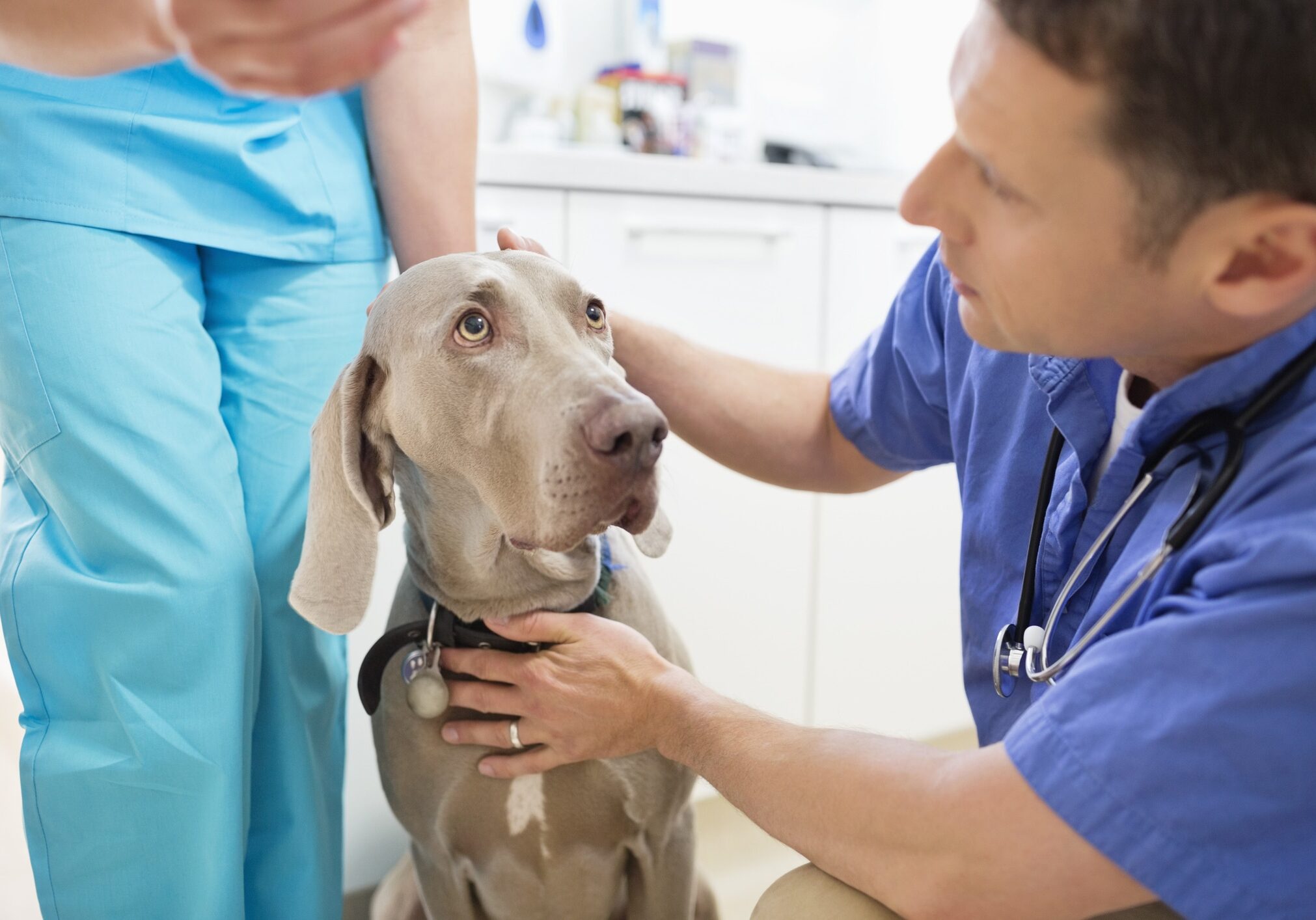
We engage actively with treating vets to consider whether a patient’s diagnosis, previous treatment and clinical status may make them suitable for a CaniVax drug or vaccine.

Clinical Access
For suitable cancer patients, compassionate access to an investigational medicine may be available through our Clinical Access Programme, subject to veterinary oversight and informed owner consent.
Clinical Studies
Our investigational medicines are evaluated in formal clinical trials conducted with selected animal hospitals and specialist referral centres, generating clinical evidence on safety, tolerability and treatment outcomes.

Addressing Clinical Needs
Canine lymphoma often responds well to first-line chemotherapy, but relapse is common and subsequent treatment options become increasingly limited. CaniVive™ is being developed as an oral treatment for dogs with relapsed or refractory lymphoma, where additional therapeutic options are needed.
For canine melanoma, CaniMel™ is being developed as a pathology-specific therapeutic vaccine using shared, immunogenic tumour antigens identified across multiple canine patients. Its multi-antigen design is intended to provide a treatment approach applicable to suitable patients within this defined cancer type.
These programmes focus on clinical settings where new treatment options could expand what veterinary oncologists are able to offer their patients.
Clinical Access Programmes
Some CaniVax medicines in development may be accessible to individual canine cancer patients through our Clinical Access Programme.
Access is considered on a case-by-case basis for compassionate use, in discussion with the treating veterinary surgeon and subject to the applicable prescribing framework and informed owner consent.
Veterinary professionals are invited to contact us to discuss a specific patient and whether access may be possible.

Formal Clinical Studies
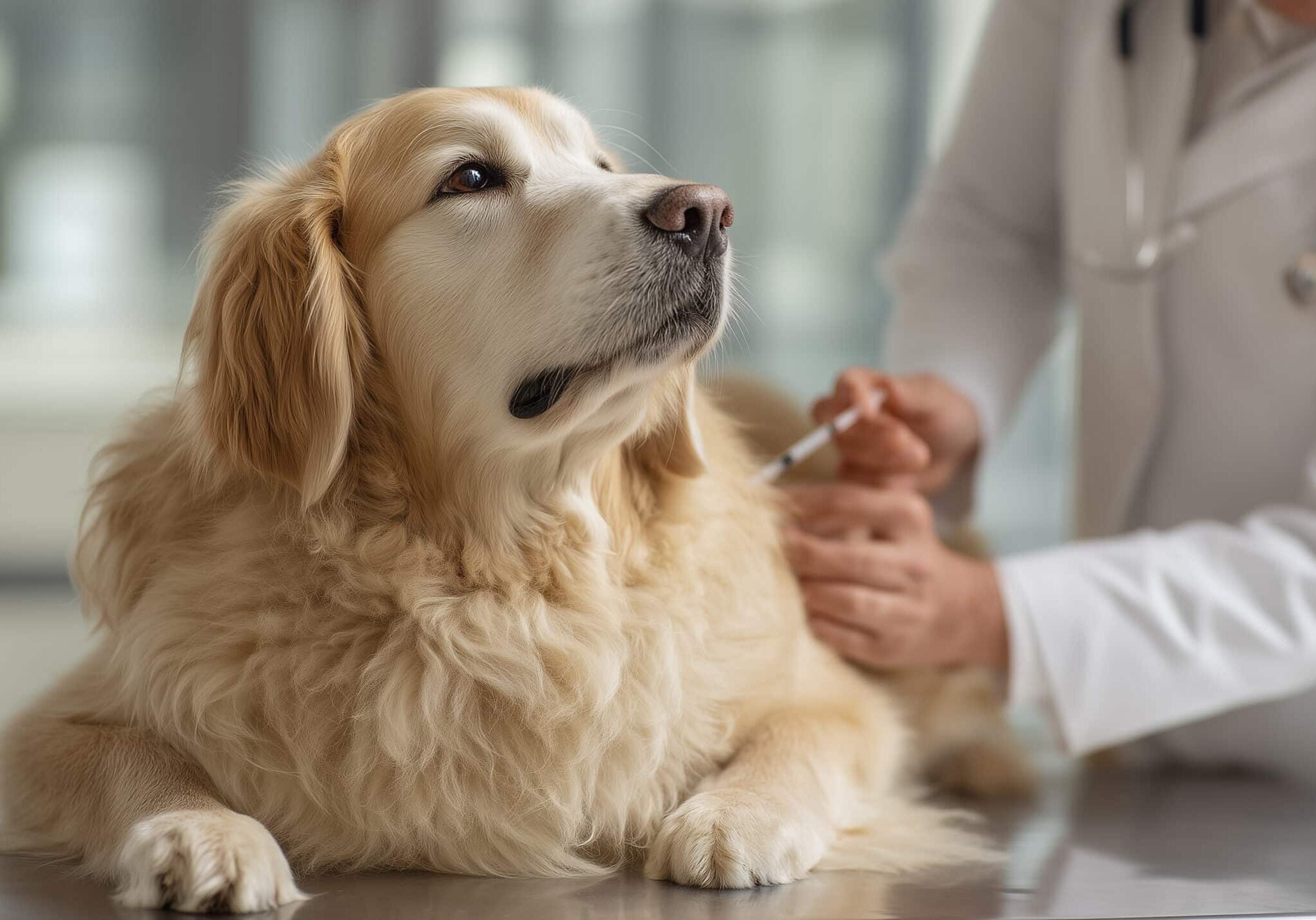
CaniVax evaluates its investigational medicines through formal veterinary clinical trials conducted with selected animal hospitals, specialist referral centres and veterinary groups.
Participating centres work with CaniVax under defined study protocols to enrol eligible patients and generate clinical evidence on safety, tolerability and treatment outcomes.
Veterinary hospitals, referral centres and groups interested in participating as clinical trial centres are invited to contact us to discuss current and future studies.
Clinical Access and Trials
Veterinary professionals interested in accessing or evaluating our investigational medicines in canine cancer patients are invited to contact us to discuss clinical access or participation in our formal clinical trials.

Contact Us
Dog owners and veterinary professionals contact us using this form to learn more about CaniVax medicines in development, including potential clinical access and participation in clinical trials.
Tell us briefly about your dog, patient or clinical interest, and we will contact you to discuss the relevant programme and whether an appropriate route may be available.
Register your interest below:
Photo credit © Adrian Baughan - Oxford Dog Photography.