
New Cancer Treatments for Dogs
A cancer diagnosis can be difficult for any family. Understanding the available treatment options and deciding what may be right for your dog can feel overwhelming.
CaniVax is developing new cancer drugs and therapeutic vaccines for dogs, using advances in modern cancer science to create additional treatment options for canine patients.
Dogs Deserve Better Cancer Treatment
Cancer is one of the most serious diseases affecting dogs. Surgery, chemotherapy, radiotherapy and supportive care can make a real difference, but important gaps remain. For many canine cancers, treatment options become more limited when the disease returns, progresses or stops responding to therapy.
This can leave families facing difficult decisions. A treatment may control the cancer for a time but not prevent it from returning. Other options may become less suitable as the disease advances, or as treatment burden and quality of life become increasingly important. For too many dogs, there simply are not enough good options available when they are needed most.
At the same time, cancer medicine is advancing rapidly. Scientists are discovering new ways to understand, detect and treat cancer, creating possibilities that did not exist a generation ago.
We believe dogs should benefit from this progress too.
That belief is why CaniVax exists: to help bring the advances of modern cancer medicine to dogs and expand what may be possible for canine cancer patients.
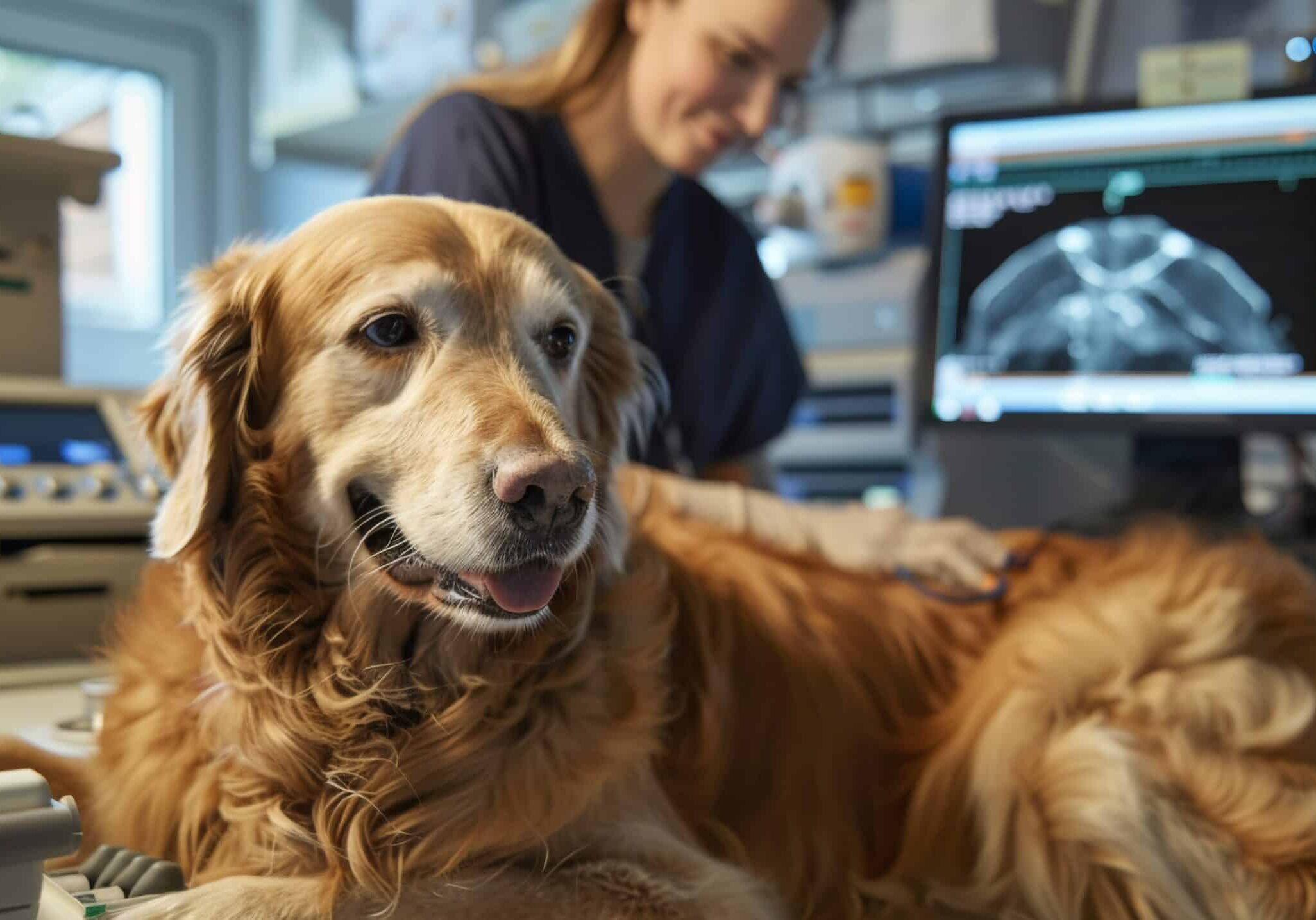

New Discoveries, Modern Technology
Cancer research is moving quickly. Scientists are learning more about the biology that allows tumours to grow, survive, spread and avoid the immune system. These discoveries are revealing new opportunities to intervene in ways that were not possible before.
At the same time, advances in drug development, vaccine technology and AI are changing how new treatments can be discovered, designed and tested. Together, these tools allow researchers to move from understanding the disease to building more precise treatment strategies.
CaniVax applies these advances specifically to canine cancer. We are developing both cancer drugs and therapeutic vaccines, recognising that different cancers may need different approaches.
Our goal is to turn the progress being made in modern cancer science into new treatment options for dogs.
What this could mean for your dog

Relevant Cancers
Our current programmes include treatments being developed for dogs with lymphoma and melanoma, with additional cancers in development.

Possible Access
Depending on the programme and your dog’s circumstances, access may be possible through our Clinical Access Programme or through a formal clinical trial.

Next Steps
If you think a CaniVax programme may be relevant to your dog, contact us. We can explain the options and help identify an appropriate participating veterinary centre.
Addressing Real Needs
Our first programmes focus on two common canine cancers: lymphoma and melanoma.
For lymphoma, chemotherapy can produce strong initial responses, but many dogs eventually relapse and treatment options become more limited. CaniVive™ is an oral cancer medicine being developed initially for dogs with relapsed or refractory lymphoma.
For melanoma, we are developing CaniMel™, a therapeutic cancer vaccine designed specifically for this type of cancer. CaniMel combines multiple shared tumour antigens identified across canine patients, allowing one vaccine approach to be developed for suitable dogs with melanoma.
These are the first programmes in a broader CaniVax pipeline aimed at bringing new cancer medicines and vaccines to dogs.
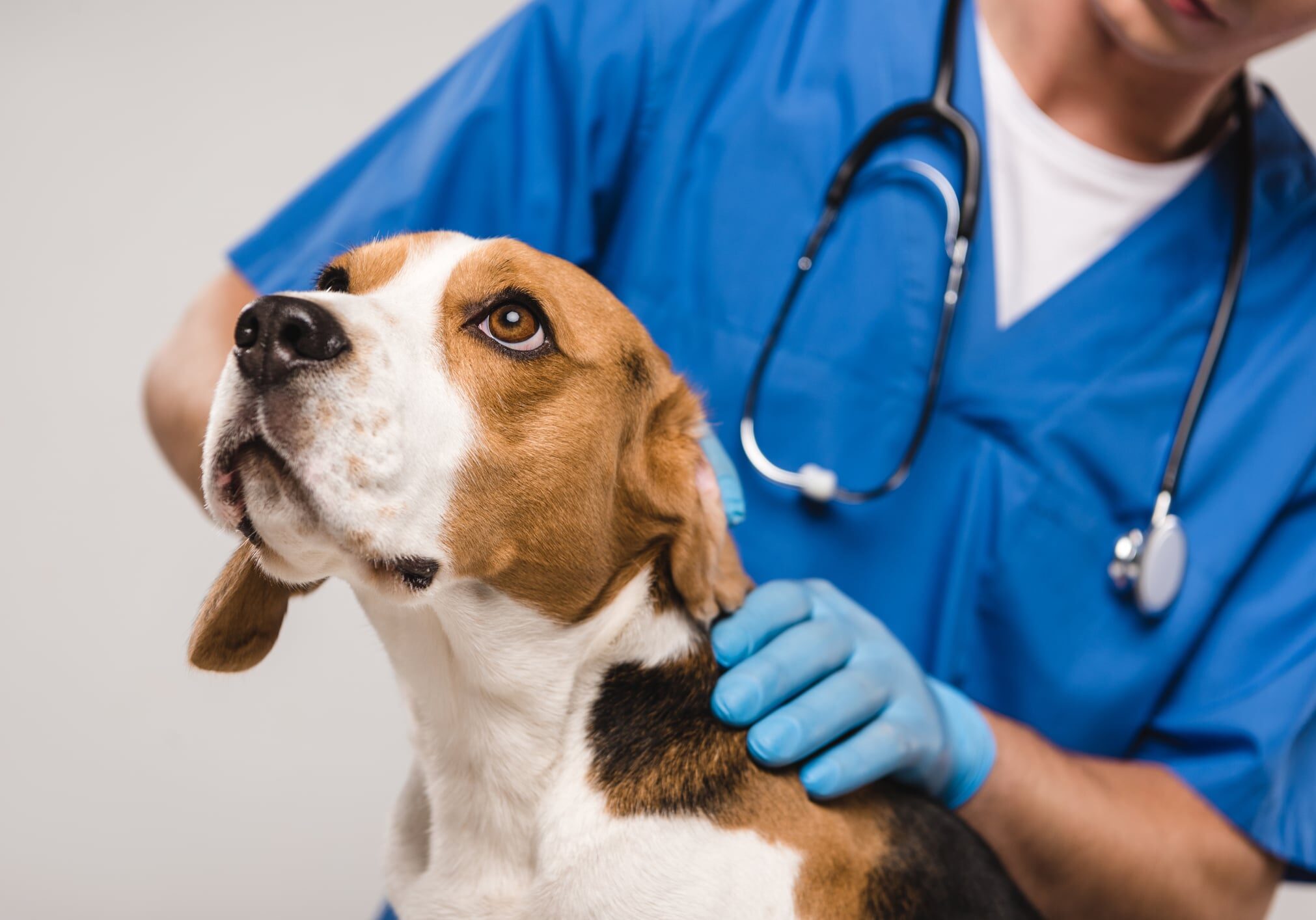
Contact us for more information and access opportunities

Contact Us
Dog owners and veterinary professionals can use this form to learn more about CaniVax medicines in development, including potential clinical access and participation in clinical trials.
Tell us briefly about your dog, patient or clinical interest, and we will contact you to discuss the relevant programme and whether an appropriate route may be available.
Submitting this form does not guarantee access to treatment.
Register your interest below:
Photo credit © Adrian Baughan - Oxford Dog Photography.